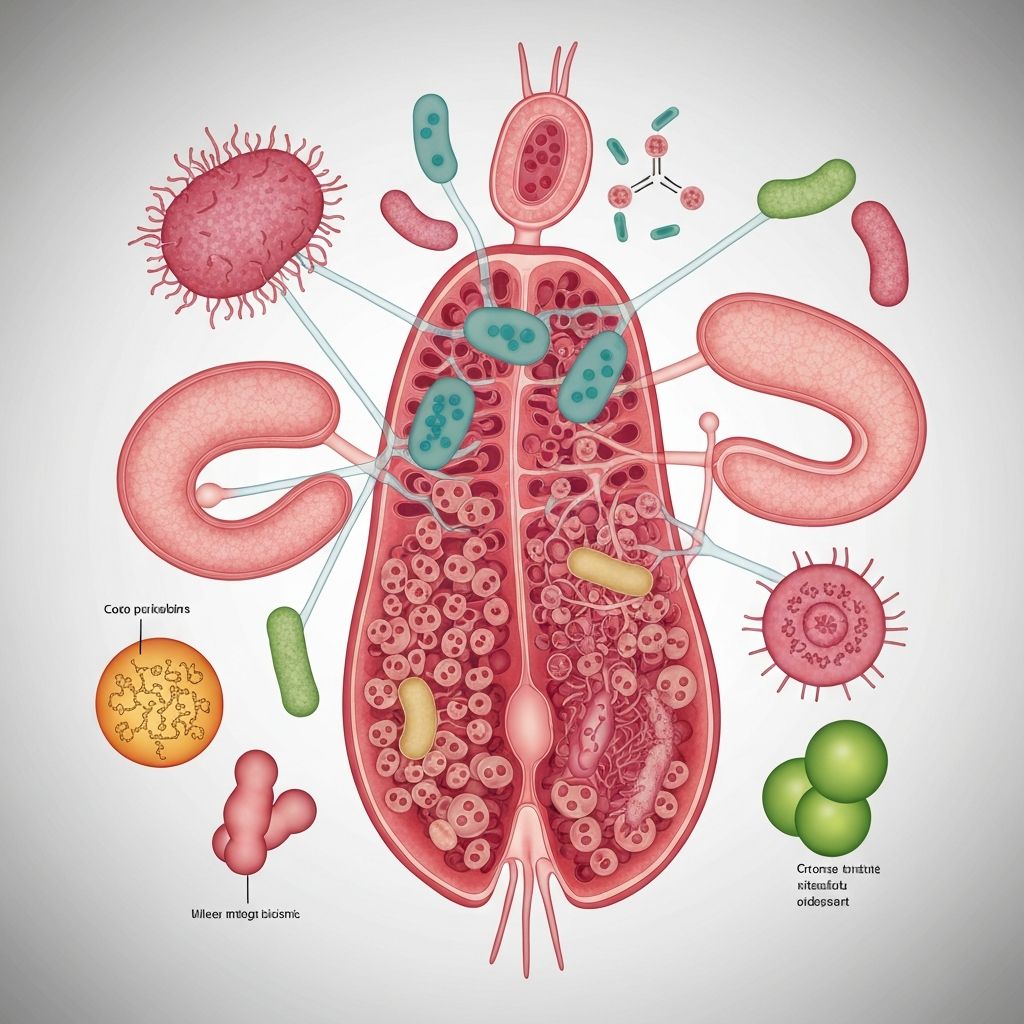
The human gut microbiome consists of trillions of microorganisms—predominantly bacteria, but also viruses, fungi, and protozoa—residing in the gastrointestinal tract. The composition and function of these microbial communities profoundly influence nutrient absorption, immune system development, and metabolic regulation. The microbiota collectively weighs approximately 1-2 kilograms and contains roughly equal numbers of bacterial cells as human cells.
Nutrient Absorption and Synthesis: Certain gut bacteria produce essential nutrients including vitamin K, biotin, and pantothenic acid. They also facilitate the absorption of minerals such as calcium, magnesium, and iron through modifications to intestinal pH and production of organic acids.
Short-Chain Fatty Acid (SCFA) Production: When consuming fiber, colonic bacteria ferment indigestible carbohydrates to produce short-chain fatty acids, particularly butyrate. These SCFAs nourish colonocytes, reduce colonic pH to inhibit pathogenic bacteria, and produce metabolites with systemic effects including appetite suppression and metabolic regulation.
Immune System Modulation: The gut microbiota educates and calibrate the immune system, promoting development of regulatory T cells that maintain immune tolerance to harmless antigens while maintaining capacity to respond to genuine pathogens.
Individuals with obesity exhibit different microbiota composition compared to lean individuals. Studies of twins discordant for obesity demonstrate that microbial transplantation of obese individuals' microbiota into lean mice results in weight gain, while transplantation of lean individuals' microbiota does not produce this effect. This suggests that microbiota composition causally influences body weight regulation.
Specific bacterial taxa differ between obese and lean individuals. The ratio of Firmicutes to Bacteroidetes—the two most abundant bacterial phyla—tends to be elevated in individuals with obesity, though this finding has not been uniformly replicated across all studies. More consistent findings include reduced bacterial diversity and altered populations of butyrate-producing bacteria.
Diet represents one of the most significant factors shaping microbiota composition. High-fiber diets promote growth of beneficial bacteria including Faecalibacterium and Roseburia, which produce butyrate. Conversely, Western diets high in processed foods and low in fiber promote growth of harmful bacteria and reduced bacterial diversity. Other factors influencing microbiota composition include:
Dietary strategies supporting beneficial microbiota composition include consuming adequate fiber (25-35g daily) from diverse plant sources, consuming fermented foods such as yogurt or sauerkraut, and limiting ultra-processed foods. Regular physical activity, adequate sleep, and stress management also support healthy microbiota composition.
Last Updated: March 2026